
OROLOGI CALAMAI
A Double Life with Better Tolerances
Founded in 2008 (No Beards, No Candles)
Orologi Calamai started in 2008. Not centuries ago, not “since 18-something,” and not in a candlelit Alpine workshop involving beards and mysticism. Just 2008. Recent enough to remember emails, old enough to have learned a few things the hard way.
It is, however, unambiguously a family affair. Three generations, not of watchmakers, but of pilots: my grandfather, my father, and myself. Aviation came first. Watches followed as a logical side effect of spending too much time thinking about instruments, reliability, legibility, and the uncomfortable reality that things should keep working when conditions are bad and excuses are unavailable. As a result, Orologi Calamai makes aviation watches. They also happen to be cool, and—on the right occasions—surprisingly elegant, though they are generally unaware of this and make no effort to show off.
Night Work, Capes, and Poor Career Alternatives
Orologi Calamai is my night job. My Batman role. This is the part where I clarify that I did not originally plan to live a double life, and that under different circumstances I would have seriously considered being a stripper instead. Unfortunately, a family tendency toward aviation and mechanical objects intervened.
Designing Watches While Learning How the World Actually Works
Working on Orologi Calamai has been a parallel education. Not the kind with grades or encouraging margins, but the kind where suppliers have opinions, timelines collapse, compromises ambush you from behind, and reality shows up uninvited. I also learned to negotiate with the most demanding stakeholders imaginable: family members. Against statistical probability, we still respect each other, collaborate, and occasionally even agree.
What I do here is act as the creative mind behind Orologi Calamai. This includes the watch designs themselves, the visual language, and much of the material orbiting the product. It also includes a healthy amount of persistent interference whenever design risks becoming merely acceptable. Precision matters. Tolerances are unforgiving. Decisions have consequences measured in millimeters, weeks, and invoices. Jokes are generally frowned upon—though not entirely absent, and never without risk.
Instruments, Not Excuses (A Short Note Involving the Air Force)
*
Instruments, Not Excuses (A Short Note Involving the Air Force) *
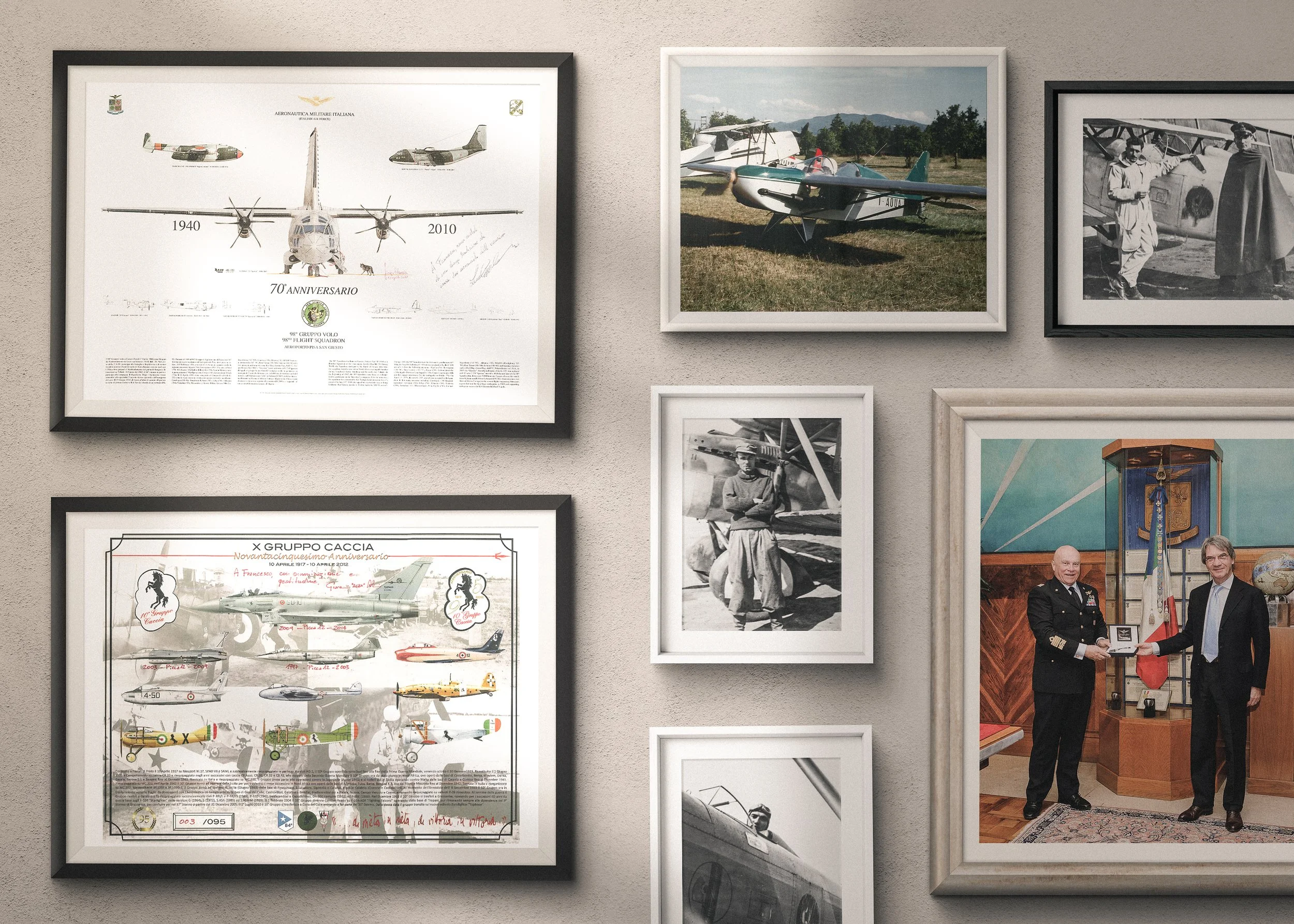
A brief but important aside: Orologi Calamai has supplied watches to the Aeronautica Militare. This is mentioned not to boast (the watches do that silently), but because it neatly confirms the original premise: these are instruments first, objects second, and branding exercises only if absolutely necessary.
Small, Independent, and Actively Negotiating with Reality
The brand is small, family-run, and stubbornly independent. Healthy rather than huge. Real rather than loud. The kind of company where decisions matter, mistakes are remembered, and optimism must regularly negotiate with physics, suppliers, and delivery schedules that have developed a personality of their own.
The Work I’m Proud Of, and the Website I Politely Avoid
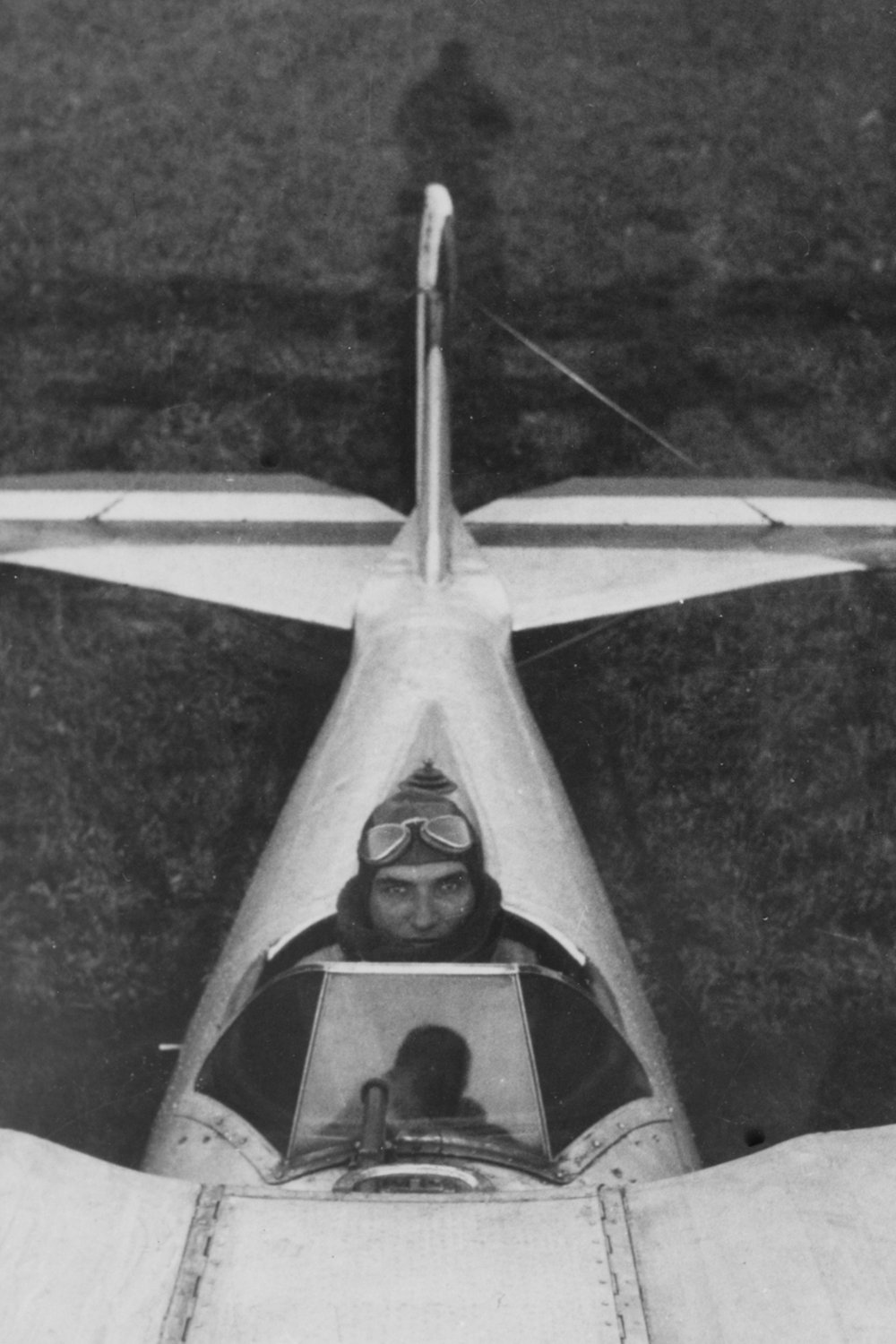
Some of the watches designed for Orologi Calamai are among the works I am most proud of. Those appear here. Others exist elsewhere, on the official Orologi Calamai website. A small disclaimer applies: I designed it, then handed it to an agency, then forgot about it, and now experience a mild but persistent embarrassment when revisiting it. This, too, is part of the learning process.
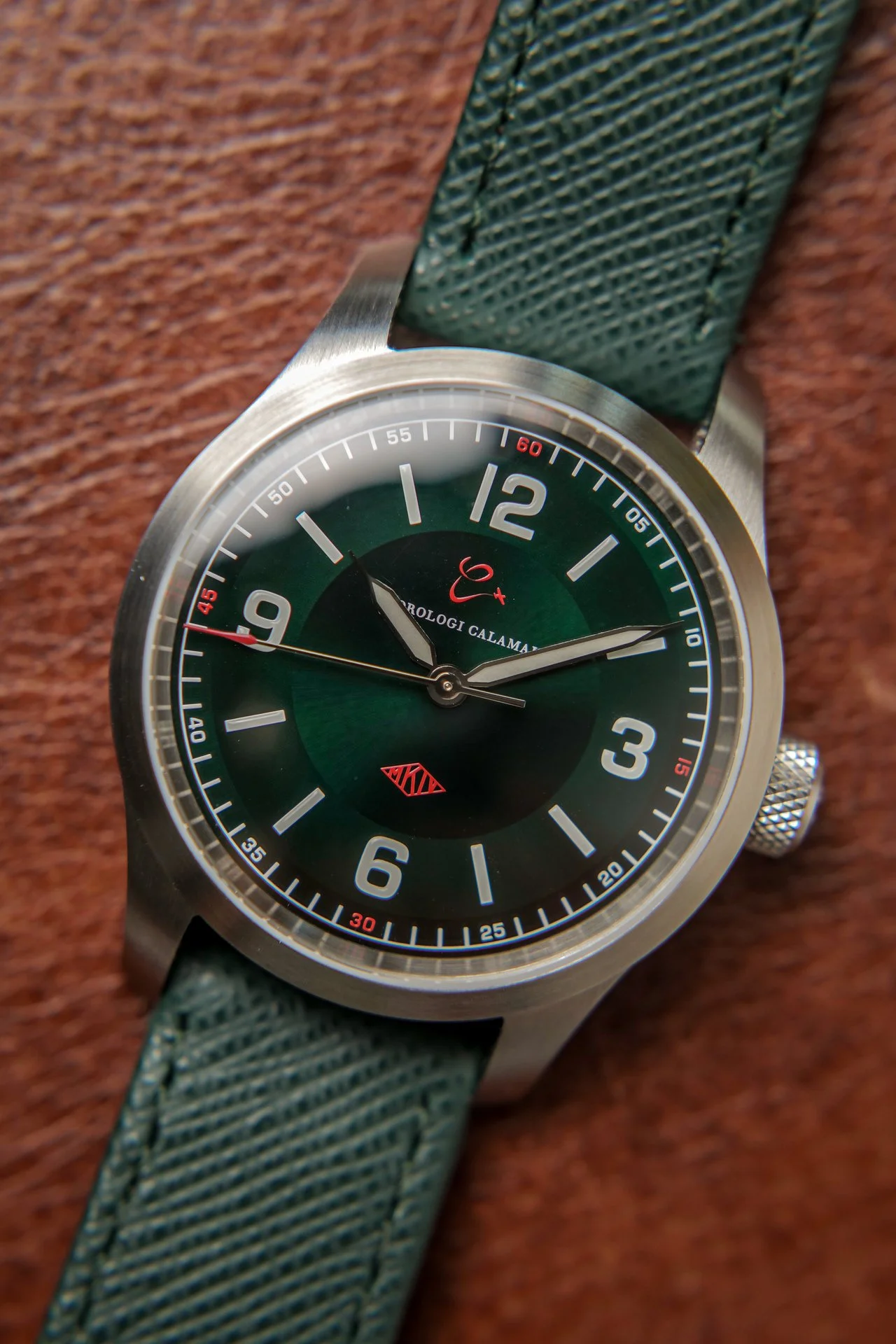
This one is here for largely visual reasons. It happens to fit the palette, the proportions, and the general mood of the site. It also happens to be a very good watch.
Designed for Use (and One Person in Particular).
This watch was designed largely for myself. Not in a romantic sense, but in the practical one: I know how I travel, how I wear watches, and what annoys me after three days on the wrist. The GMT reflects that knowledge, for better or worse.

The GMT
〰️
The GMT 〰️
Aviation Without the Costume
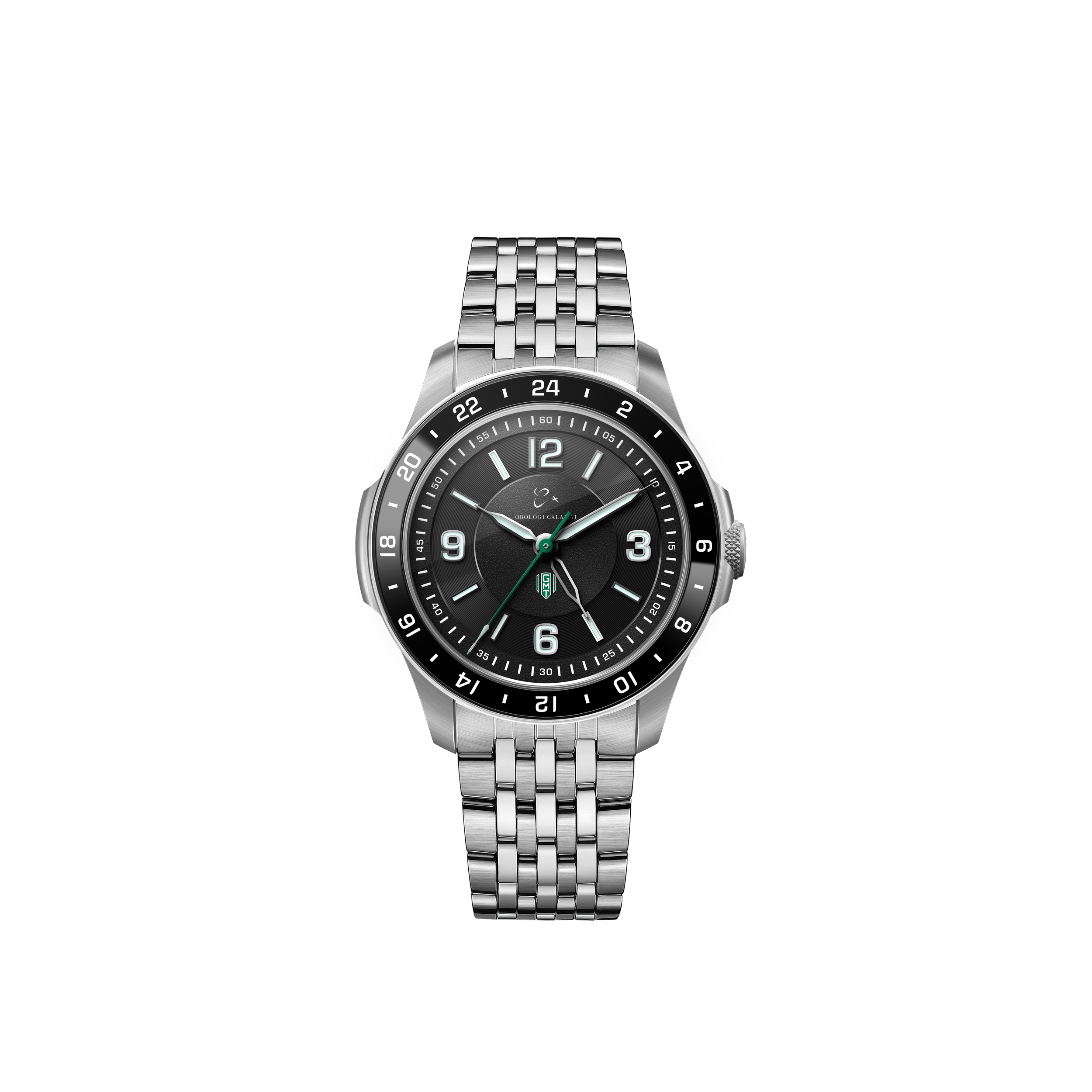
The GMT carries aviation DNA without dressing up as one. Legibility, robustness, and functionality are present, but never theatrical. It is an instrument first, and only becomes elegant by accident.
The notch that stayed.
On the opposite side of the crown protection there is a small notch. It has no official function. It exists because I liked it, fought for it, and eventually had to play the professional equivalent of “trust me.” It remained. I still think it was the right decision.
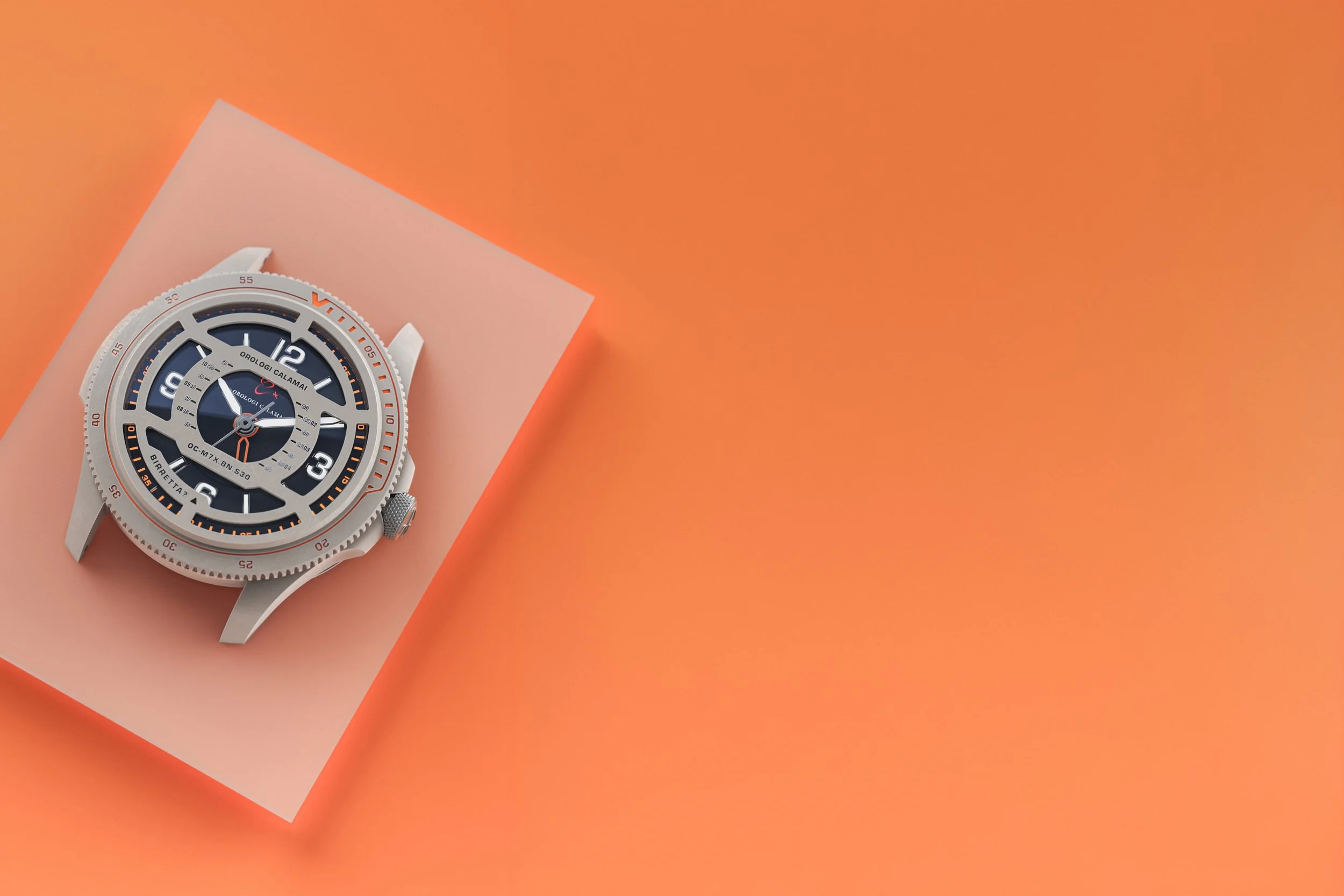
GMT or, Guarded Metal Thing
Goodbye Bezel
The rotating bezel has been politely dismissed. In its place: a turning protective cage, vaguely inspired by old submarine watches that expected violence and planned accordingly. It exists to protect the crystal from rock, gravity, and my own decision-making.
Will it look unusual? Yes. That is part of the charm.
Designed for Impact
I climb with my watches. This means they will be hit. Not metaphorically. Literally. So instead of pretending otherwise, this one is being designed to age aggressively.
The coating is chosen with a simple philosophy: if it must get scratched, it might as well improve.
Chronograph
I-A725
(Work in Progress, Opinions Included)
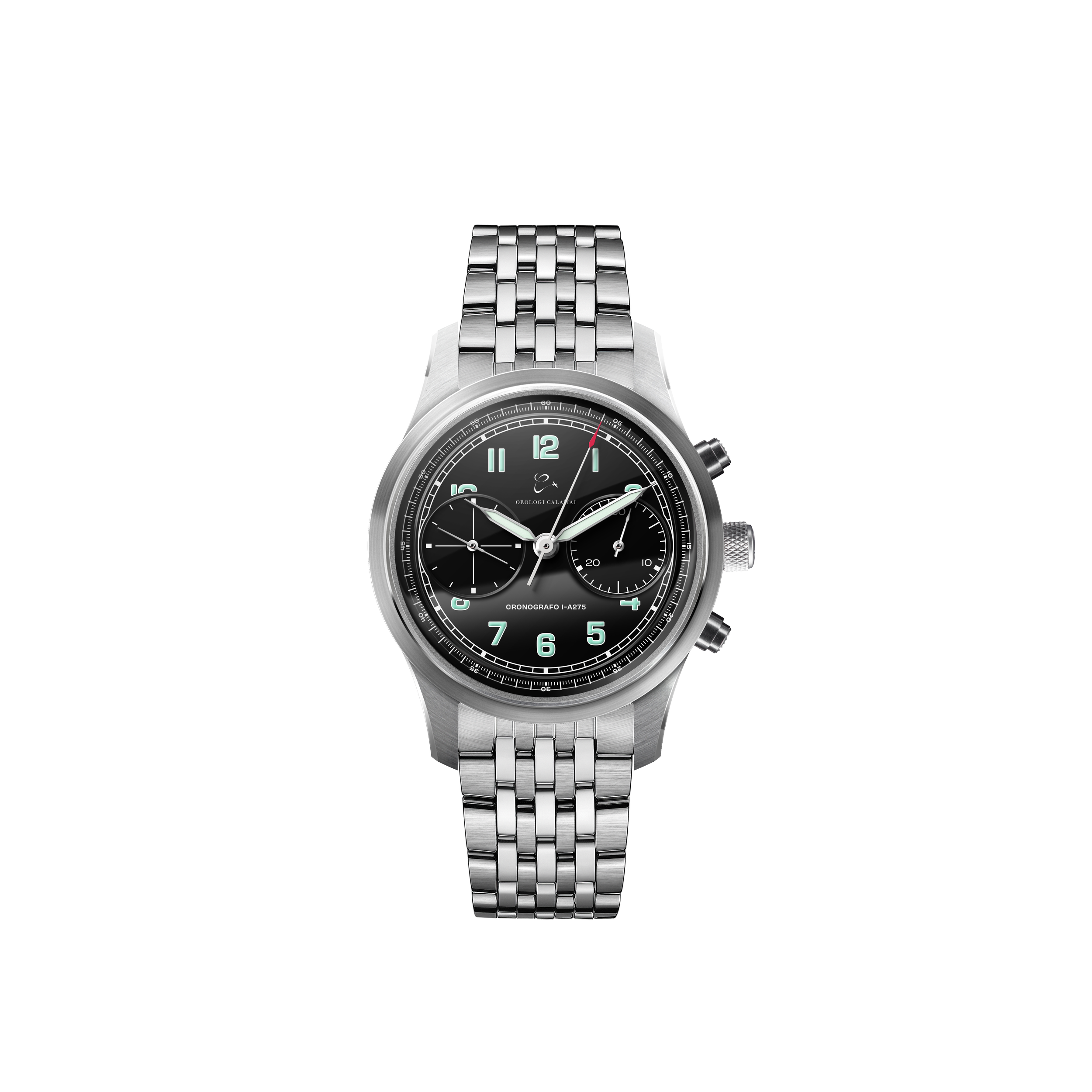
The chronograph currently in development takes its starting point from a unique watch I designed and built for my father’s 70th birthday. That piece had no market logic, no positioning exercise, and no reason to exist beyond being right. Turning that instinct into a production watch has meant spending an unreasonable amount of time on proportions, perceived thickness, and the delicate relationship between engineering reality and visual calm.
I am particularly stubborn about case thickness, especially in chronographs, where millimeters have a habit of multiplying when left unsupervised. Much of the work here has been about restraint: reducing visual mass without compromising structure, and ensuring the watch feels composed rather than compressed.
It is still a prototype as I write this. Which means it is misbehaving slightly, improving steadily, and containing an uncomfortable amount of things I personally like in a watch. That is usually a good sign, even if it takes longer than planned.
Thinking with the hands helps. It bypasses taste, ego, and premature refinement. You are not solving the watch yet—you are merely proving that an idea is willing to exist.
How a Watch Becomes Real
There is no single moment where a watch is “designed.” There is only a sequence of increasingly expensive decisions.
Sketching, Starting Somewhere on Purpose
Drawing is the hardest part for me. Which is exactly why it comes first. The objective is not a beautiful sketch, but a useful one. Something fast enough to outrun doubt and crude enough to avoid commitment.
Useful, Not Impressive
A good sketch answers questions. A beautiful one tends to ask for praise. I aim for the former. Proportions are tested, rejected, misunderstood, and tested again. Paper is cheap. This matters later.
CAD, Where Ideas Become Accountable
CAD is fun, frustrating, and quietly addictive. At first it resists you. Then, without warning, it rewards persistence with a flow state where hours vanish and geometry becomes oddly emotional.
This is where optimism meets tolerances. Curves must resolve. Surfaces must agree with each other. There is no “almost” here—only “wrong,” “fixed,”
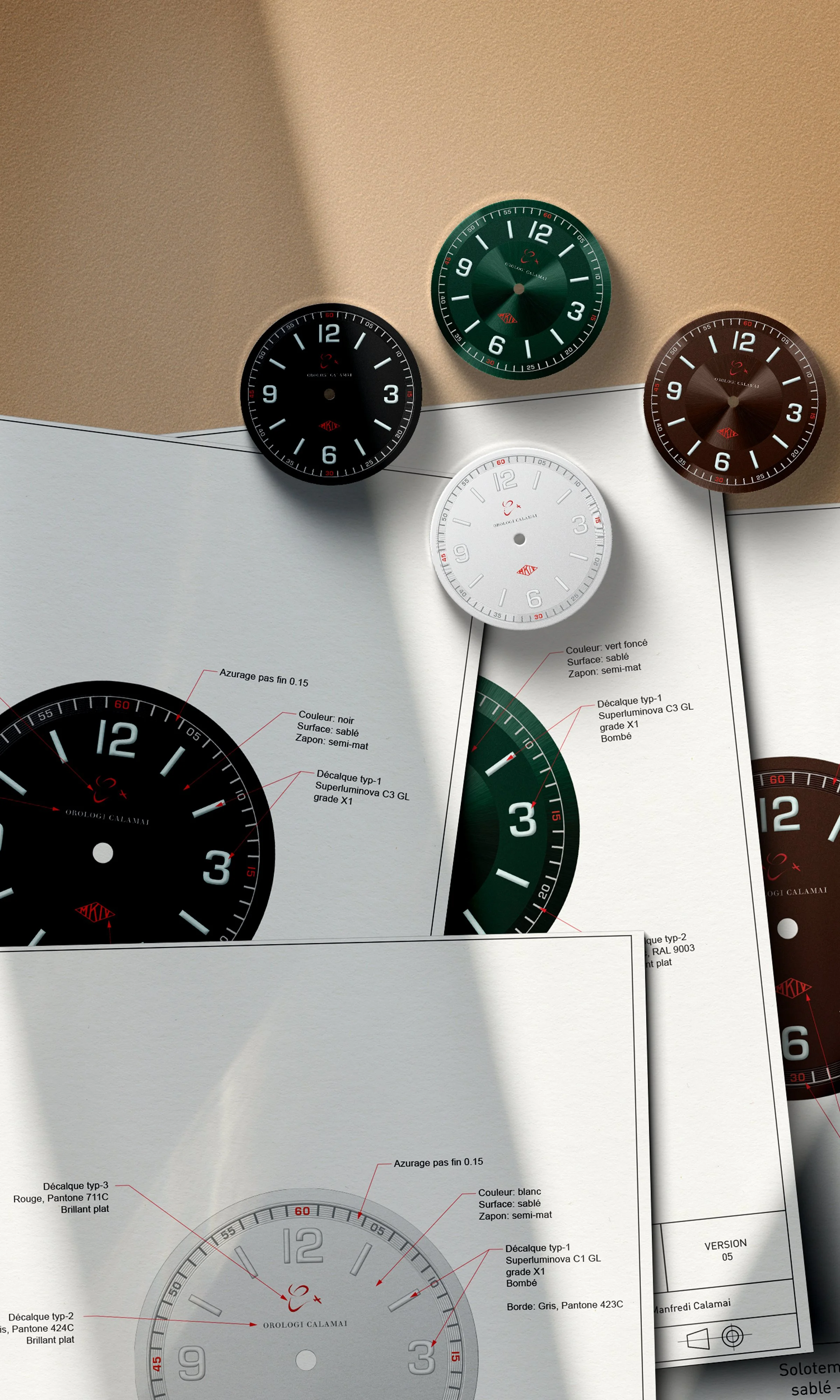
Technical Drawings, Speaking Clearly to Strangers
There is real satisfaction in producing clear, correct, and well-composed technical drawings. They are not expressive, but they are polite. This is how you communicate with people who will turn ideas into metal.
Meetings vs. Drawings
Good drawings reduce questions. Bad drawings create meetings. Meetings create interpretations. Interpretations create mistakes. I prefer drawings.
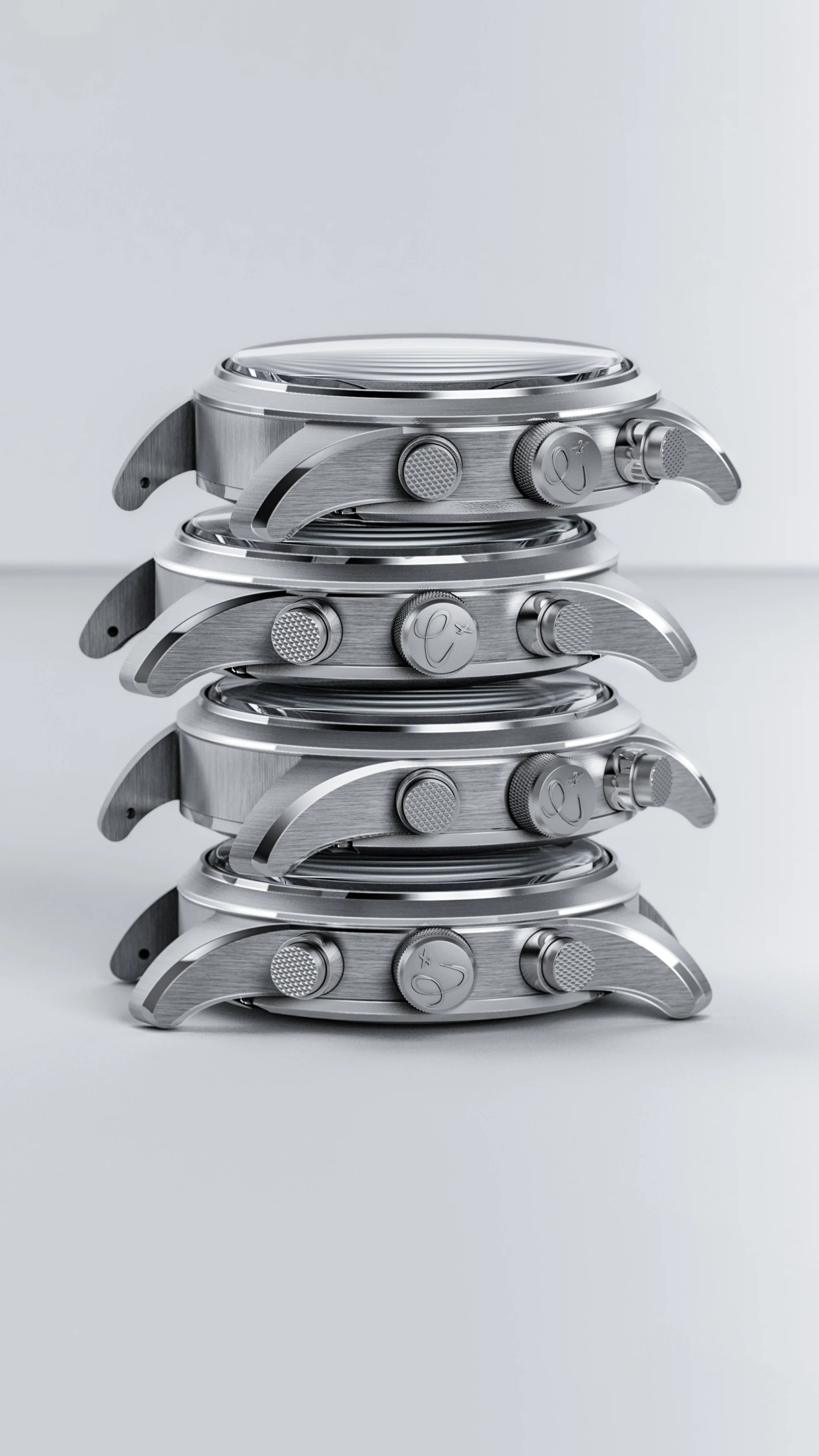
Rendering, A Controlled Delusion
Rendering is largely useless. It proves very little and lies beautifully. Still, it has its place. It is a harmless substitute while waiting for real metal to exist.
Renders help check proportions, light behavior, and whether something is elegant or merely persuasive. More importantly, they keep morale alive during long silences from suppliers.
Prototype, When the Watch Answers Back
Waiting for the first prototype is the worst part. Time stretches. Budgets tighten. Doubt becomes conversational. At this stage, you must sincerely hope you were right the first time.
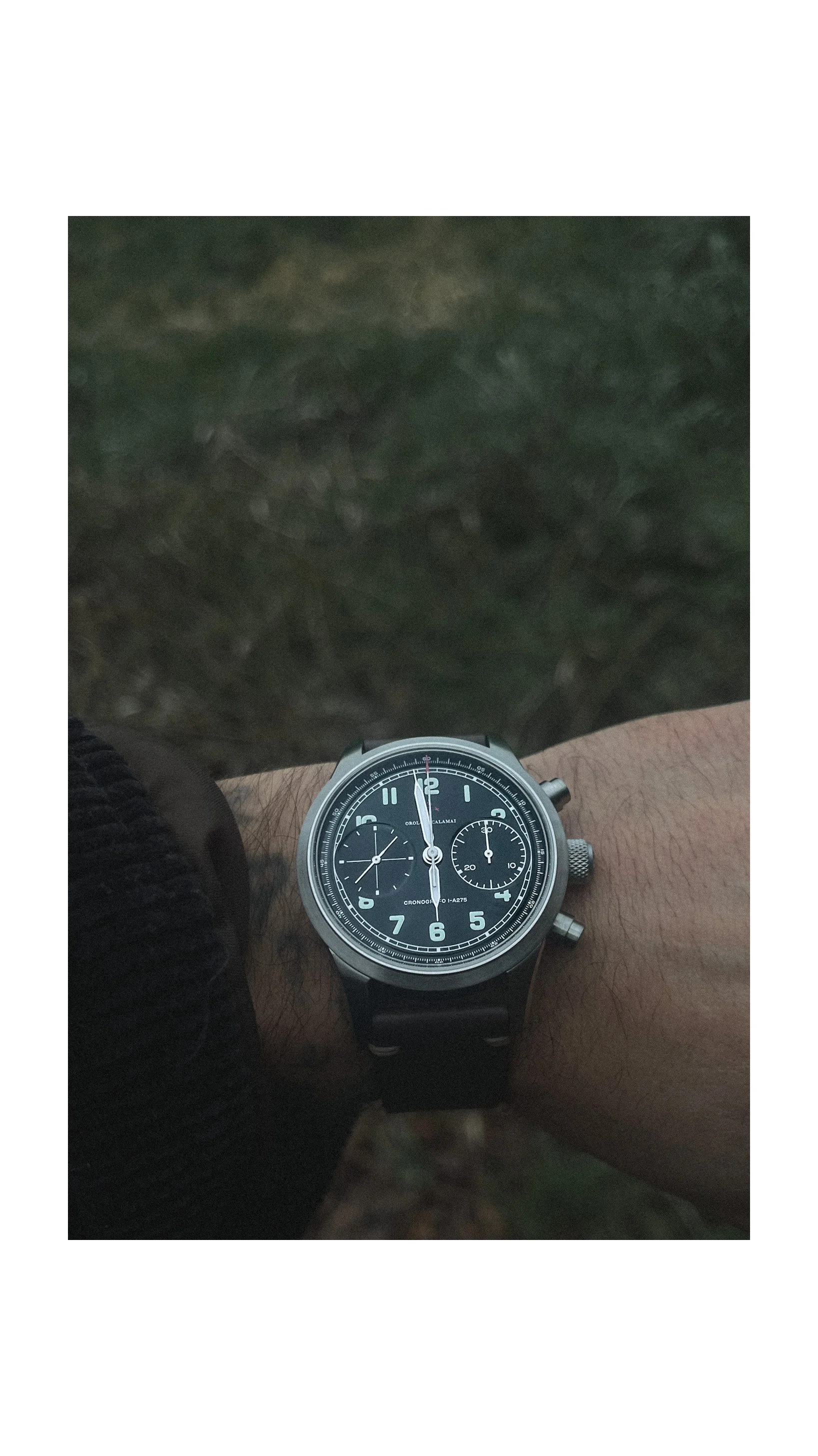
When the prototype finally arrives, everything becomes clear very quickly. Some things work. Some don’t. The watch stops being polite and starts arguing. This is the moment it becomes real.
One tracks where you are.
One measures what you’re doing.
They coexist peacefully.
The marketing department was not consulted.
Yes, they look related.
That is what happens when you design watches instead of redesigning them every season. The proportions, the case geometry, the surface transitions, those arguments already happened. They were long, occasionally loud, and ultimately resolved. Repeating them for the sake of novelty felt unnecessary.
Once something works, you refine it. You don’t disguise it.